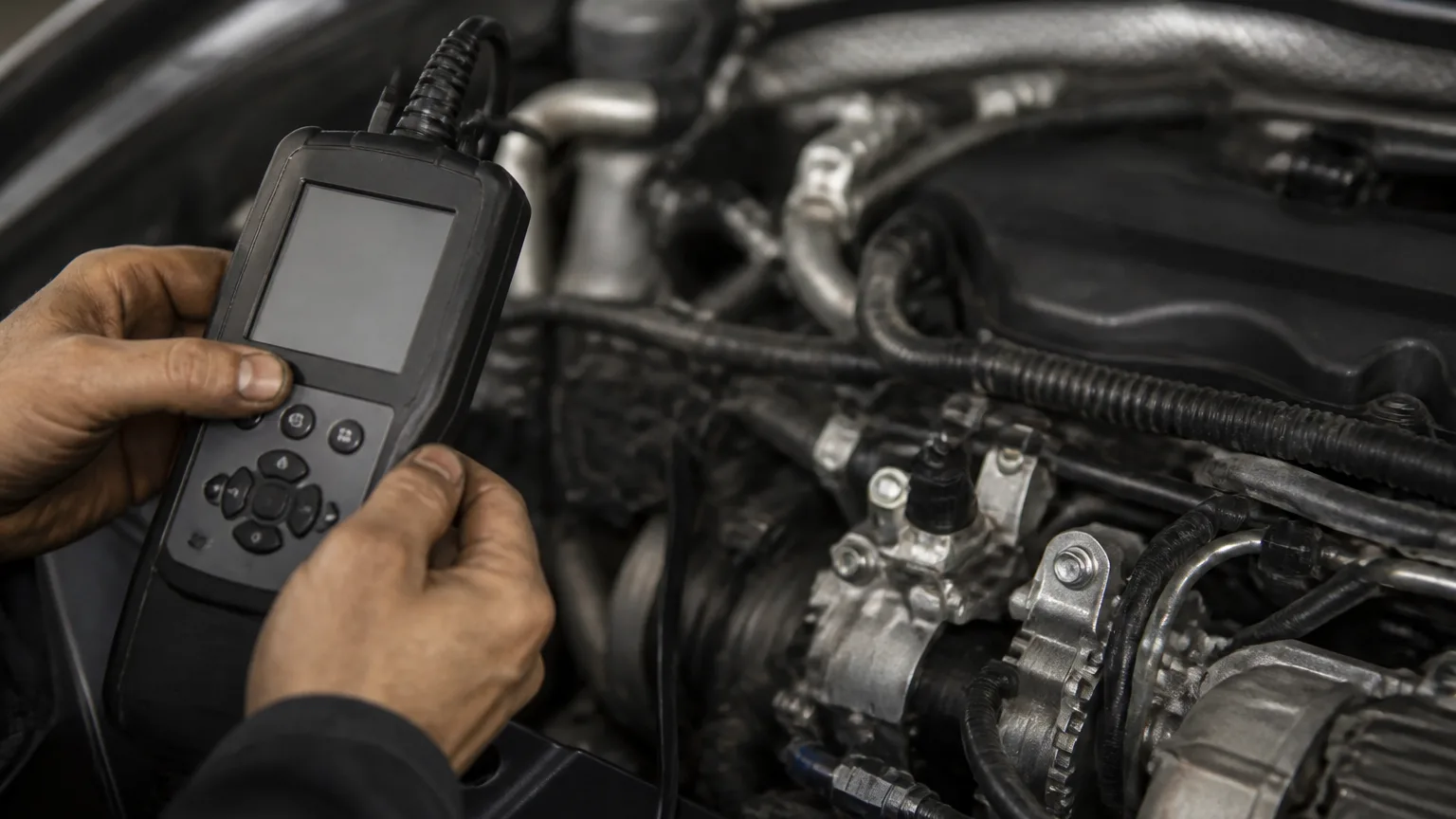
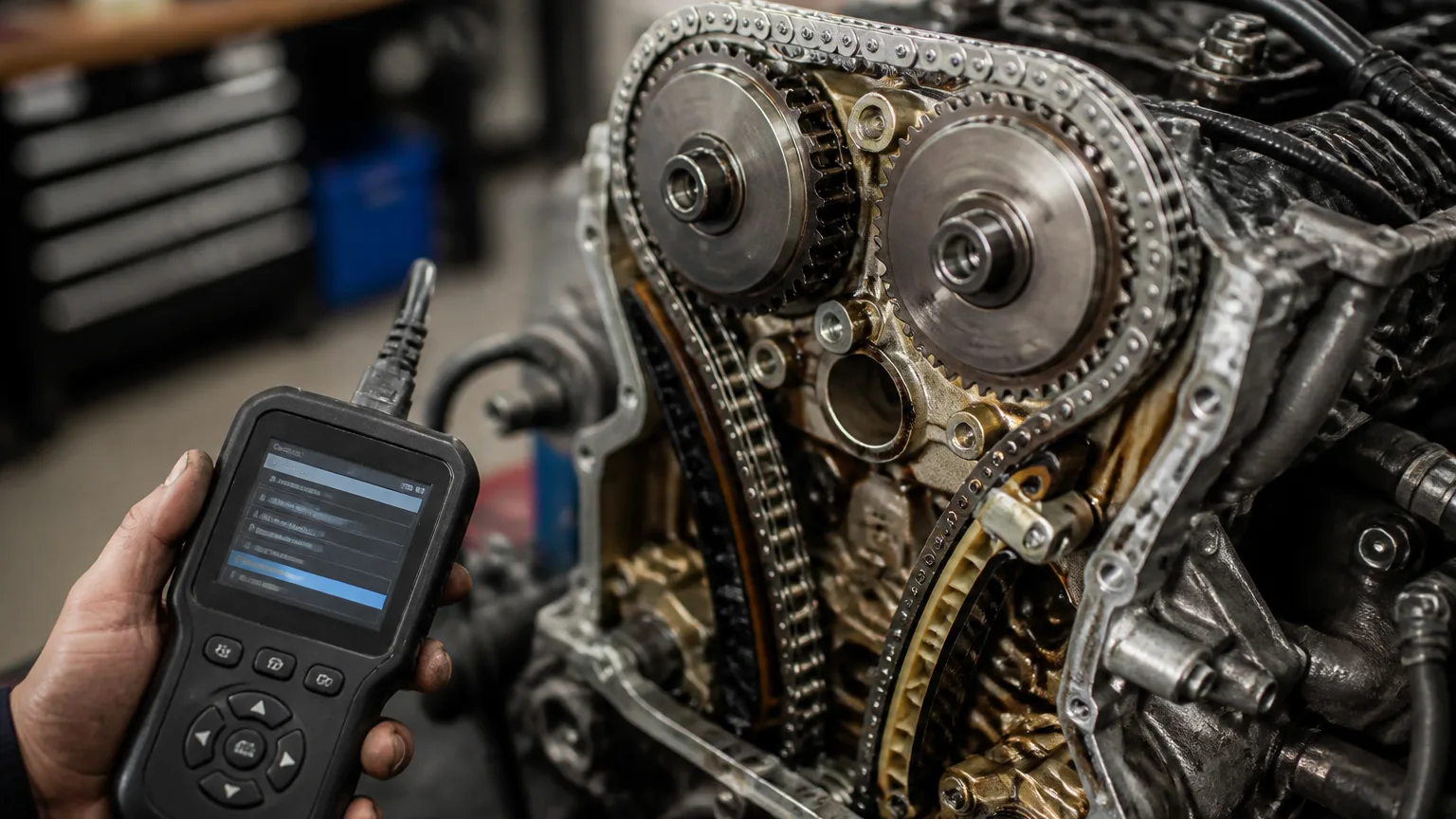
If you've pulled a P0299 off your Audi or VW and the car has gone flat, sluggish, and dropped into limp mode, don't panic and don't buy a turbo just yet. The truth is that P0299 — "Turbocharger/Supercharger A Underboost Condition" — is far more often a split hose or a sticky valve than a dead turbo. The code just means the engine isn't making the boost the ECU asked for. Let me walk you through what's actually behind it, how to find the fault properly, and what each fix really costs over here.
Looking for this part? Send us your Audi model and reg and UK Audi breakers who have it can quote you — free to enquire.
What P0299 actually means on an Audi or VW
Your turbocharger is meant to cram extra air into the engine, and the ECU constantly compares the boost it requested against the boost the sensors say it's getting. When the measured pressure falls short of the target by enough margin, the ECU logs P0299 and usually drops the car into limp mode to protect the engine. On VAG cars (Audi, VW, SEAT and Škoda) that covers everything from a 1.6 and 2.0 TDI diesel to the 1.4 and 2.0 TFSI/TSI petrols.
The single most useful thing to understand is this: the turbo itself is rarely the culprit. The code points at "underboost", but in the vast majority of cases the boost is escaping or being mismanaged somewhere between the turbo and the engine. That's good news for your wallet, because the cheap causes are also the common ones.
The symptoms you'll notice
P0299 tends to announce itself the moment you ask for power. The usual signs are:
- Limp mode — the car caps revs and power to keep you off boost, so it crawls along feeling gutless.
- Sluggish acceleration / no go — a clear loss of pull, especially as you climb through the mid-range where boost should kick in.
- A hiss or whistle under load — pressurised air escaping from a split pipe or loose clamp.
- Black smoke on diesels, from the fuelling and airflow falling out of step.
- Poor fuel economy and, of course, the engine warning light.
If the car only loses power briefly and then recovers after a restart, that's a classic intermittent boost leak or a tired valve. If it's stuck in limp mode and won't clear, the fault is present all the time — which actually makes it easier to find.
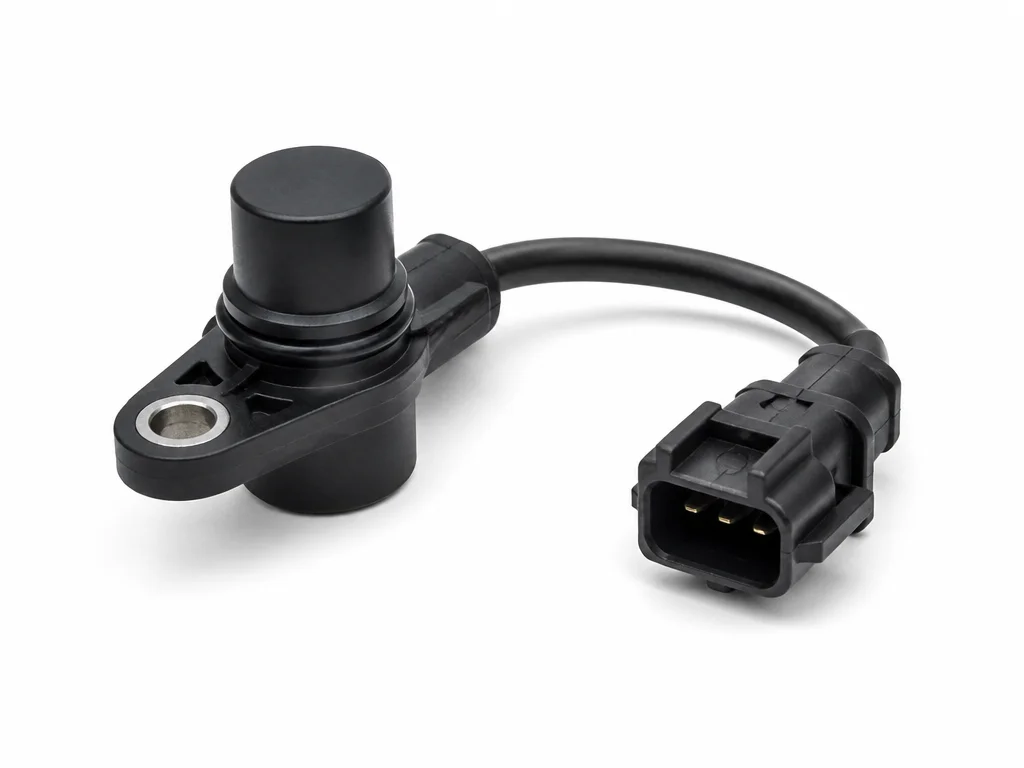
Boost & Charge-Air Sensors
A lying boost pressure or MAP sensor can trigger P0299 with no real leak at all. A used VAG sensor lets you rule one out without paying main-dealer prices.
The real common causes
Here's the shortlist to work through:
- Boost or vacuum leak — split intercooler hoses, perished boost pipes, a cracked charge cooler, or a loose jubilee clip. The classic VAG failure: the moulded rubber elbows go hard and crack at the bends.
- Diverter valve (petrol TFSI/TSI) — the rubber diaphragm tears from heat and oil, dumping boost. One of the most common P0299 causes on VW and Audi petrols.
- Wastegate / actuator sticking — if it hangs open the turbo can never build full boost; carbon and age seize the linkage.
- N75 boost-control valve — the solenoid that meters vacuum to the wastegate. When it's lazy or blocked, boost control goes haywire.
- Blocked DPF or catalytic converter — high exhaust backpressure chokes the turbo so it can't spool properly (diesels especially).
- MAF or boost pressure sensor — a misreading sensor makes the ECU think boost is low when it isn't, or vice versa.
- A genuinely tired turbo — worn bearings, damaged vanes or carbon build-up. Real, but the least common, so prove the cheaper stuff first.
How to diagnose P0299 step by step
Throwing a turbo at this is how people waste a thousand pounds. Work it in order instead:
- Scan for the full picture with a VAG-capable tool (VCDS/OBDeleven). Note any related boost or wastegate codes, and read the freeze-frame conditions.
- Compare specified vs actual boost in live data. If requested boost is high but actual stays low, you've confirmed a genuine underboost, not just a sensor glitch.
- Run a boost-leak (smoke) test — pressurise the intake and watch for smoke escaping from a split hose, cracked intercooler or loose clamp. This is the single most useful test on P0299.
- Eyeball every hose and clamp from the turbo to the throttle body, flexing the rubber elbows to find hairline cracks that hide when cold.
- Check the wastegate actuator moves freely, and test the N75 solenoid and diverter valve for sticking or torn diaphragms.
- Rule out backpressure — a clogged DPF or cat will starve the turbo; check soot loading and exhaust restriction on diesels.
Only once leaks, valves and backpressure are all clear should you start suspecting the turbo itself. If you're juggling more than one code, a mistimed or stalling engine can drag boost readings down too, so it's worth reading up on the P0322 engine-speed code if that's in the mix. And a lean-running fault can mimic underboost symptoms, so the P0171 lean code is worth a look if your fuel trims are off.
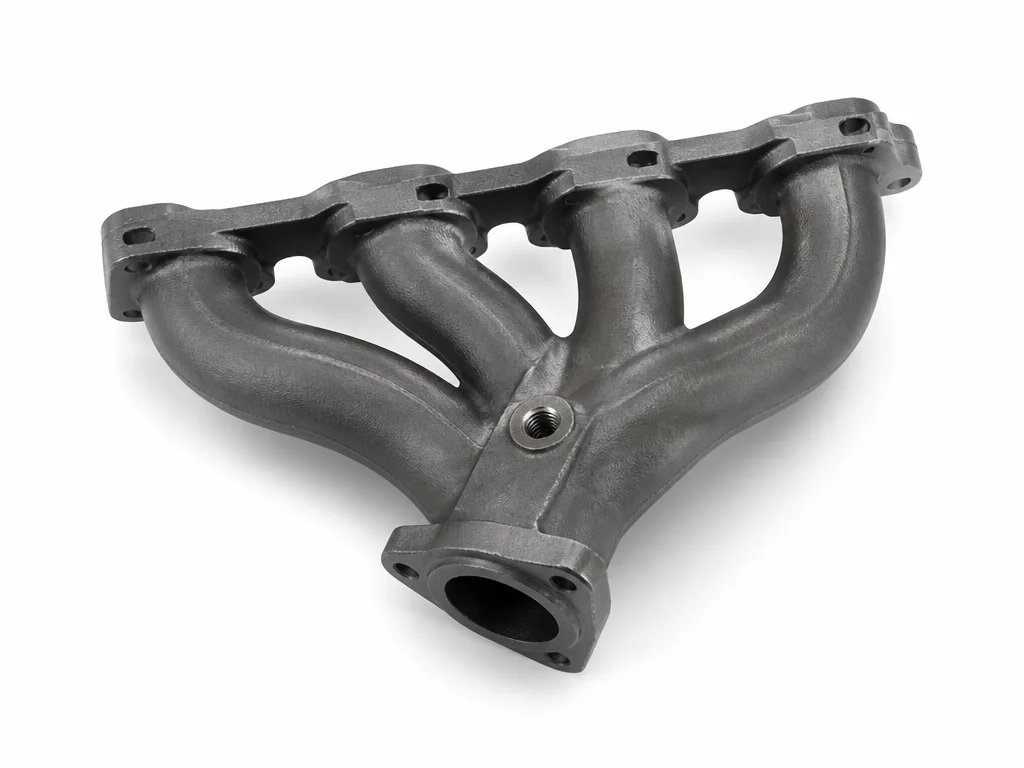
Turbo Manifolds & Wastegate Parts
When a wastegate actuator or manifold-mounted assembly is genuinely the fault, a used unit matched to your engine code can save a lot over new.
How it gets fixed
The fix follows the cause, and the spread is huge. A cracked boost hose or a split diverter valve is a quick swap and a clear-the-code job. A sticky N75 solenoid is a five-minute part. A seized wastegate actuator means freeing or replacing the actuator. A clogged DPF needs a forced regen or clean. Only at the far end — worn bearings, damaged vanes — do you actually replace the turbo. Whatever the part, fit it, clear the code, and road-test under load to confirm boost recovers. If your fault does turn out to be the turbo, you don't have to pay dealer money: you can request used turbo components for the A4 range and the A3 lineup through us.
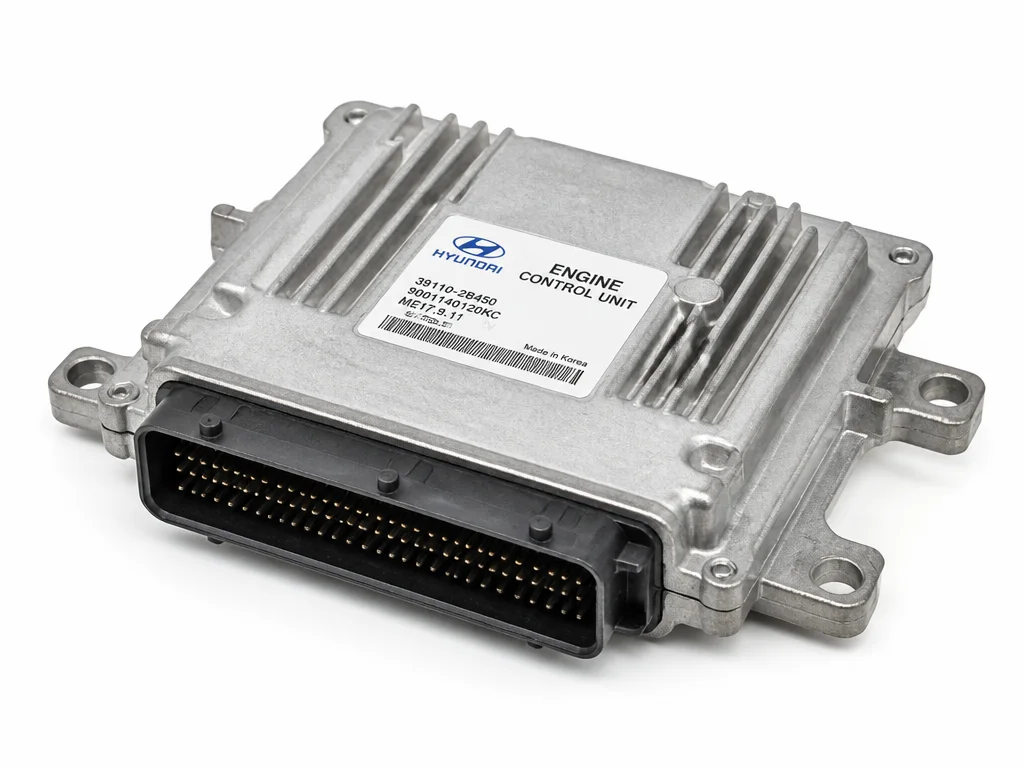
Engine ECUs & Boost-Control Modules
In the rare case where boost management is faulty at the module rather than a valve, a replacement control unit matched by part number may be needed. Check the coding requirements for your car before you buy.
What it should cost in the UK
This is where P0299 really splits in two. Catch it as a leak or a valve and it's cheap; let it run and it can become a turbo. Indicative ranges only, not quotes; prices vary by condition, mileage, supplier and labour rate.
| Repair | Indicative cost (£) | Notes |
|---|---|---|
| Diagnostic / boost-leak test | £0–£60 | Varies by garage. |
| Boost hose / intercooler pipe | £30–£200 | The most common and cheapest fix. Parts + labour. |
| N75 valve or diverter valve | £50–£200 | Quick swap; common on TFSI/TSI petrols. |
| Wastegate actuator | £200–£500 | Depends on whether it frees off or needs replacing. |
| DPF clean / forced regen | £150–£500 | Diesel only; clogged exhaust backpressure. |
| Turbocharger replacement | £700–£1,400 (Audi avg ~£1,020) | The worst case — and why you prove the cheap stuff first. |
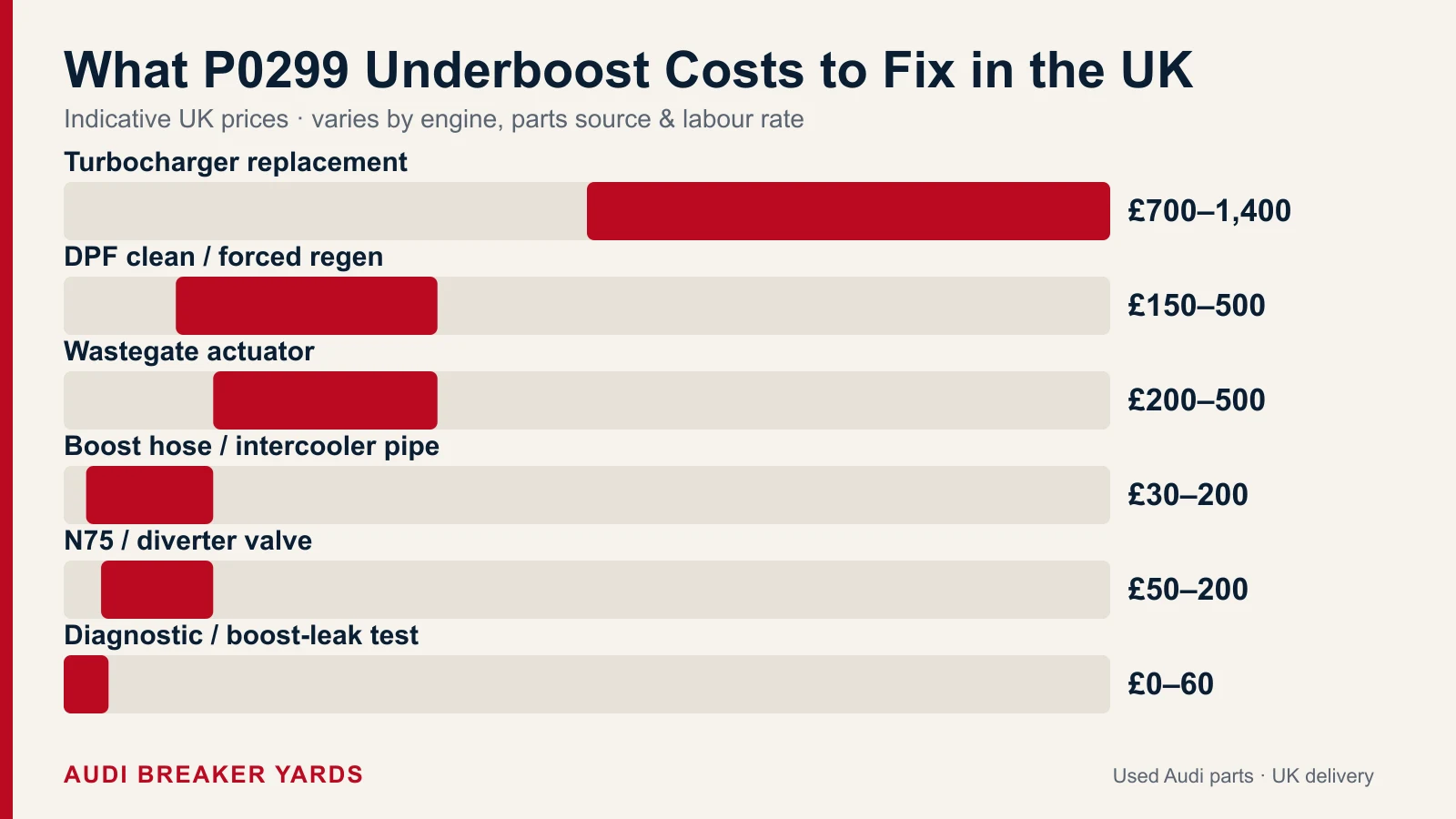
You can see why the boost-leak test pays for itself: a £50 hose fix and a £1,000 turbo carry the exact same fault code. A used part from a donor car trims the parts side right down, which matters most on the expensive end. If yours does turn out to be the turbo, browse our used Audi engines and turbo units rather than writing the car off.
Looking for this part? Send us your Audi model and reg and UK Audi breakers who have it can quote you — free to enquire.
Is it safe to keep driving with P0299?
Short answer: it's safe-ish for a short distance, but don't make a habit of it and don't thrash it. The reason the car drops into limp mode is to protect the engine and turbo from running mismatched air and fuel, so the ECU is already looking after you. Drive gently to get home or to a garage. What you mustn't do is keep flooring it to "push through" the limp — if the underlying cause is a real boost problem, hammering it can turn a cheap hose repair into turbo damage. Get it scanned and the leak test done promptly; it's often a small, inexpensive fix.
The bottom line
P0299 on an Audi or VW means the turbo isn't hitting its boost target, and the cause is usually a split hose, a tired diverter or N75 valve, or a sticky wastegate — not a dead turbo. Diagnose it properly with a boost-leak test before anyone sells you the expensive part. Need a hose, valve, sensor or turbo component? Send us your model and engine code and UK breakers who have it can quote you.
Sources
- P0299 means "Turbocharger/Supercharger A Underboost Condition" — the boost pressure is lower than the ECU requires — and on VAG cars the common causes are a diverter valve, wastegate, N75 boost-control solenoid, boost/intercooler leaks, DPF backpressure and faulty MAP/boost sensors. obdeleven.com, firstautocentre.co.uk
- The turbocharger itself is rarely the root cause; a failed diverter valve is extremely common on VW and Audi, and the usual fault is a simple boost leak, valve or sensor problem. obdeleven.com
- Symptoms include limp mode, reduced power and poor acceleration, a hiss/whistle from escaping air, black smoke on diesels and poor economy; a smoke/boost-leak test is the key diagnostic. firstautocentre.co.uk
- UK turbocharger replacement averages around £900 (typically £700–£1,400, Audi average ~£1,020). clickmechanic.com